

How Is Rock Salt Produced?
Rock salt production begins with the identification of underground halite deposits. These deposits are part of ancient evaporite sequences formed when saline waters evaporated and dissolved salts accumulated over geological time. Deposits that may be suitable for mining are investigated through geological mapping, drilling and reserve studies.
1. Mining the halite deposit
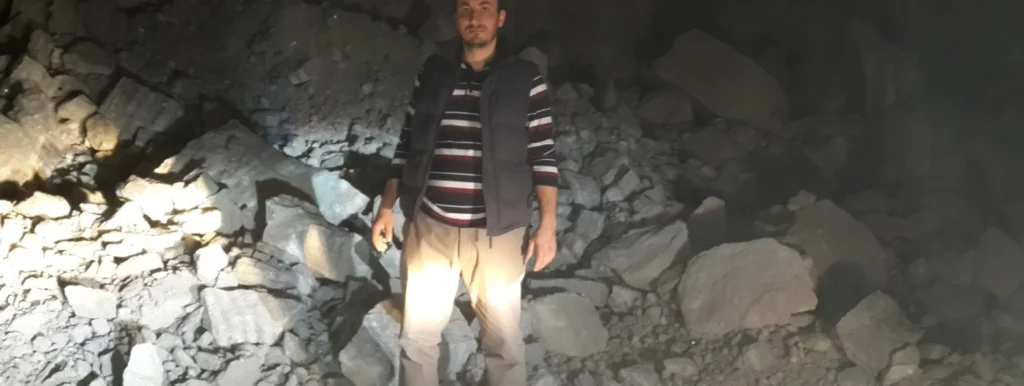
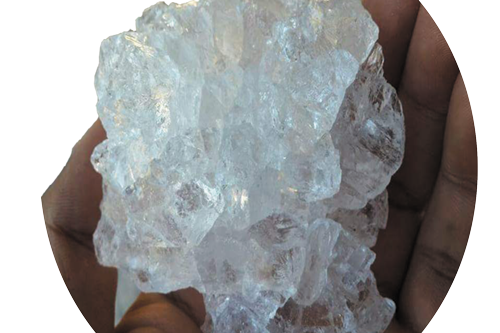
Solid rock-salt deposits are commonly worked by underground mining. Where geological conditions allow, room-and-pillar and related mining systems can be used. Large blocks and fragments of halite removed from the deposit are transported for further processing. Some salt deposits can also be exploited through solution-mining methods that produce brine, although that process is different from mechanically extracting solid rock-salt crystals.
2. Crushing and sizing
Large pieces of mined rock salt are crushed according to their intended use. Screens then separate the crystals into different particle sizes. The same source material can therefore be prepared as fine table salt, coarse granular crystals for grinders or larger grades for industrial applications.
3. Separation and quality control
Natural salt formations may contain geological material associated with the halite layer. Depending on the intended product, physical separation, screening and quality-control procedures can be used during processing. Requirements for food-grade products are different from those for industrial salt.
4. Grinding and packaging
Salt intended for table use may undergo additional grinding until the required grain size is obtained. It is then packed in suitable containers or bags. Packaging helps protect the finished product from moisture, contamination and foreign material during storage and distribution.
Is rock salt created in the factory?
No. The rock salt itself originates in a natural geological deposit. A processing plant does not create the halite; instead, it prepares mined crystals for their intended use through crushing, screening, optional grinding, quality control and packaging. Distinguishing the geological origin of the salt from the later processing stages is therefore important when describing how rock salt is produced.
More information on this topic is available in the Production and Factories section.